12 Ways to Make Storage Cheaper
 Fact Checked by:
 Here’s the quick answer: To save on storage costs, compare quotes and look for special offers or discounts. If you have a few boxes and small pieces of furniture, you can save on small 5×5 or 5×6 units. You can also declutter your home and use cloud storage to reduce the need for physical documents and hard drives.
Whether you’re moving, downsizing, or just clearing out clutter, overpaying for a storage unit is the last thing anyone wants. At moveBuddha, we help thousands of people each month find trustworthy, affordable storage and moving solutions. You deserve a storage option that fits your budget and your needs.
Our track record





Each year, 400,000+ people trust our moving recommendations. Here are a few reasons why:
- Founded in 2015
- 4,500+ moving companies analyzed
- $50,000 in moving grants delivered
- Up-to-date pricing info & industry data
- Fact-checked for accuracy
Still not sure which option is the best fit? Use our moving cost calculator to get personalized moving and storage quotes. It’s fast, easy, and built to help you save every step of the way.
1. Decide which facility features you need
The right features can mean the difference between wasted money and real value. Prioritize the items below based on what you’re storing and how often you’ll visit.
Top security features
Security is one of the main reasons people choose professional storage over keeping items at home. Look for these features:
- Gated, fenced properties: Keeps out unauthorized visitors.
- 24/7 video surveillance: Deters theft and adds peace of mind.
- On-site staff and managers: Immediate help if you have a problem or question.
- Individually alarmed units: Extra layer of protection for higher-value storage.
- Computerized entry systems: Reliable access tracking for every visit.
Access hours and policies
Convenient access hours can make a big difference. Always check the details before you book.
- Daily, extended, or true 24/7 access: Some facilities offer round-the-clock entry, while others have set hours.
- Clear entry and exit policies: Avoid surprise lockouts and understand your facility’s rules before move-in.
Tip: Facilities with limited hours are sometimes cheaper, but make sure the schedule fits your needs.
Climate control
Climate control can be a lifesaver for certain items. Here’s why it matters:
- Consistent temperature and humidity: Reduces risk of mold, mildew, and warping.
- Protects sensitive items: Great for electronics, wood furniture, documents, and artwork.
- Especially valuable in areas with extreme weather: Think Mount Vernon’s rainy winters or North Carolina’s humid summers.
Payment methods and online account management
Paying for your storage should be simple and stress-free. Most facilities offer:
- Automatic payments by credit or debit card: Avoid late fees and missed bills.
- Online account access: Reserve units, pay bills, and manage your info without a trip to the office.
- Additional payment options: Some accept cash, checks, or money orders — ask before you book.
2. Choose the right type of storage unit
Picking the right type and size of storage unit is a key way to save. Don’t pay for more space or features than you really need.
Self-storage units
Self-storage units come in a range of sizes and layouts. Here’s what you should know:
- Sizes from 5×5 (closet) to 10×30 (garage) and up: Choose the smallest unit you can comfortably fit your items in to reduce storage costs.
- Indoor vs. outdoor access: Indoor units are best for valuable or sensitive items, while outdoor units are easier for drive-up unloading.
- Best for: Personal belongings, furniture, small business inventory, and more.
Mini storage options
If you’re just storing a few boxes or seasonal items, mini storage can save you a lot of money.
- Small unit sizes (5×5, 5×10): Ideal for students, renters, or anyone with a few things to stash.
- Pay for what you actually use: No need to rent a full-sized space if you don’t need it.
RV, boat, and vehicle storage
Need space for a vehicle, RV, or boat storage? Here’s what to expect:
- Outdoor parking: The most budget-friendly way to store large vehicles.
- Covered or indoor garages: More expensive, but offer added protection from weather and theft.
- Pros & cons: You’ll free up space at home, but may have limited access hours and need special insurance.
Climate-controlled vs. standard units
Wondering if you really need climate control? Here’s a quick comparison to help you decide:
| Feature | Climate-controlled | Standard |
|---|---|---|
| Temperature/Humidity | Regulated | Not regulated |
| Best for | Electronics, furniture, documents | Tools, outdoor gear, non-sensitive items |
| Cost | Higher | Lower |
3. Compare quotes and get discounts
Storage costs can add up quickly, but there are plenty of ways to keep your bill in check. Always get quotes from at least three facilities and ask about current promotions before booking.
Many facilities offer hidden savings if you know what to ask for:
- First month free or $1 move-in specials: Often available for new customers.
- Student, senior, and military discounts: Ask what you qualify for — you might be surprised.
- Referral bonuses and online-only deals: Booking online can unlock extra savings.
4. Consider your motivations
Figuring out what to do with the rarely-used items spread throughout your home can be overwhelming. So before doing anything drastic, take time to reflect on your motives.
First, make a list of the items you’re considering storing. Then:
- Jot down a few notes for each, like when you last used it, the likelihood of ever needing it again, and why you’ve held onto it for so long
- Ask yourself if it’s worth keeping, or if you could live without it altogether
- Compare its value to the cost of storage
You may be surprised, but a few hours with a notepad may help channel your inner minimalist. And it may save you down the road too.
5. Evaluate storage vs replacement costs
Spending $75 a month for a small storage unit is easy to justify. On the other hand, realizing 18 months later that you’ve spent $1,350 storing stuff you should’ve discarded or donated can be a real eye-opener.
When considering your options, it’s wise to plan for the worst-case scenario. In many instances, long-term storage costs exceed the value of the items you’re storing and just aren’t worth it.
6. Donate and downsize
The easiest way to reduce storage costs is to get rid of as many items as possible. Though some things should be disposed of, charity organizations and thrift shops are always looking for gently used clothes, toys and household items – and they may even pick them up for free.
By donating and downsizing you’ll:
- Reduce (or eliminate) storage costs
- Create more living space for you and your family
- Sleep well knowing you’ve helped support those in need
7. Rent the right size storage unit
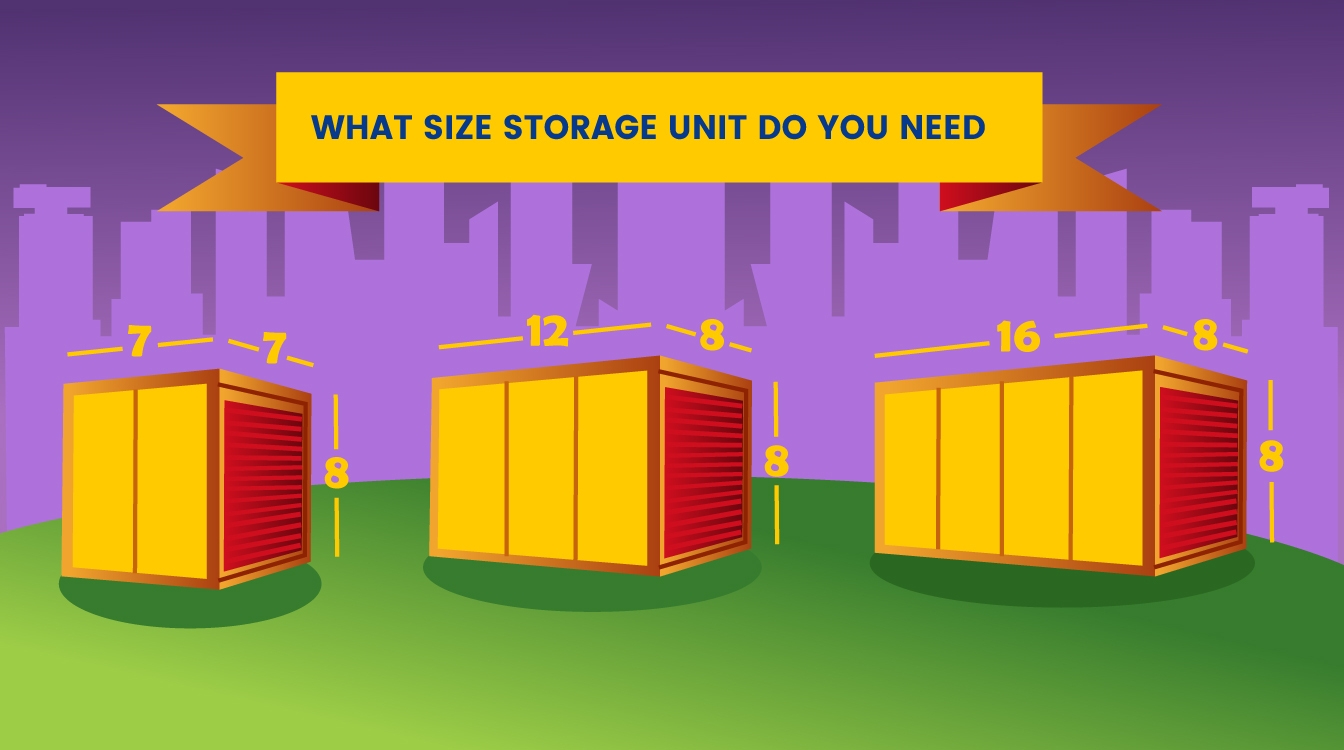
Determining how much storage space you need can be tricky even for seasoned veterans.
That being said, renting a 10 x 20 storage unit when a less expensive 10 x 10 would’ve done the trick is a needless expense.
Thankfully, we hate needless expenses too, which is why we’ve taken much of the guesswork out of the age old question – What size storage unit do I need?
8. Compare cost of living vs storage space
It’s tempting to consider upgrading from a 1 to a 2-bedroom apartment and using the extra space for storage. While it would be convenient to have your items close by, you’d likely pay significantly more in the long run. In other words: A $50 storage unit trumps a $300 per month rent hike any day.
Also consider using your own attic, basement or spare bedroom, or those of family and friends. If you go the latter route, make sure you give them a definite time frame (like 3 months tops) and stick to it.
9. Rent a unit outside the city
Especially if you reside in an urban area with a high cost of living, you may find that storage unit prices are way more than you were expecting.
However, units just outside city limits (even as little as 20 minutes away) may be significantly less expensive. If you won’t need regular access to your items, it may be a small price to pay for a great deal.
10. Kick retail therapy to the curb
For many of us, buying things like clothes, shoes, and floor lamps raises our spirits. But it’s usually a temporary high, and in the long run retail therapy almost always has more cons than pros.
Spending money we don’t have on things we don’t need can cause regret, clutter, and untold financial woes, so addressing problematic buying habits is another key component of making storage cheaper.
11. Store your items at a full-service mover’s warehouse
It’s easy to overlook the costs associated with getting items into and out of storage when making a budget, but in many instances they’re more expensive than storage itself.
Many of the best moving companies offer free storage to entice prospective customers into using their services.
It’s more common on local moves during non-peak months, but it just may offset the cost enough to make hiring a full-service moving company an attractive alternative to self-storage.

|
|
|

 rating





12. Consider other options
There’s no doubt about it. Portable storage containers offer more options and flexibility than traditional self-storage facilities. Unlike their traditional storage counterparts, they bring the storage unit to you.
After you’ve loaded it, you can choose to keep it on your property or have the company take it to their facility. Storage containers also eliminate double handling, which often causes otherwise avoidable damage.
Additional services that help you save on storage
Many storage providers offer extra services that can simplify your move and help you avoid extra costs.
Moving supplies for sale or rent
Cut down on trips to the store with on-site moving supplies:
- Boxes, tape, mattress covers, and furniture pads: Available for purchase at most facilities.
- Dollies and hand trucks: Sometimes free to borrow for tenants, saving you rental fees elsewhere.
Rental trucks and equipment
Some storage companies make moving even easier with on-site truck rentals:
- Truck rental partnerships: U-Haul, Penske, and other brands often partner with local storage facilities.
- Bundled discounts: Rent a storage unit and a moving truck together to save on both.
Mailbox and postal box rentals
Secure mail and package delivery can be a lifesaver if you’re between homes or running a small business:
- Mail and package acceptance: Facilities accept deliveries on your behalf.
- 24/7 access and notifications: Some locations offer all-hours access and package alerts for added convenience.
Frequently asked questions (FAQs)
How secure is self-storage?
Most modern facilities offer gated access, video surveillance, and on-site staff. For added peace of mind, ask about unit alarms and insurance options for your stored items. A quality lock (and not sharing your gate code) also goes a long way.
Can I access my storage unit outside of business hours?
Many locations provide extended or 24/7 access, while others limit access to posted hours. Confirm both office hours and unit access hours before booking so you aren’t surprised later.
What payment methods are accepted?
Nearly all facilities accept credit and debit cards and online payments. Some also take cash, checks, or money orders — ask at the office for details and set up autopay to avoid late fees.
Is climate control worth it?
Yes, if you’re storing electronics, documents, antiques, wood furniture, or anything sensitive to temperature and humidity swings. In humid or rainy regions, climate control can prevent expensive damage.
What if I need to move out early?
Most storage facilities offer flexible, month-to-month contracts. Provide the required notice (often 5–15 days) to avoid extra charges, and ask about prorating if you expect mid-month move-outs.
Ready to save on storage?
Saving on storage doesn’t mean cutting corners. With a little planning and the right information, you can find secure, convenient storage that fits your needs and your budget — no matter where you live.
Still not sure which option is the best fit? Use our moving cost calculator to get personalized moving and storage quotes. It’s fast, easy, and built to help you save every step of the way.
How Much do Movers Cost?
Get instant ballpark pricing. No email or phone required. It's fast, free, and easy.

Not what you were looking for?
Check out other categories that can help you find the information you need!